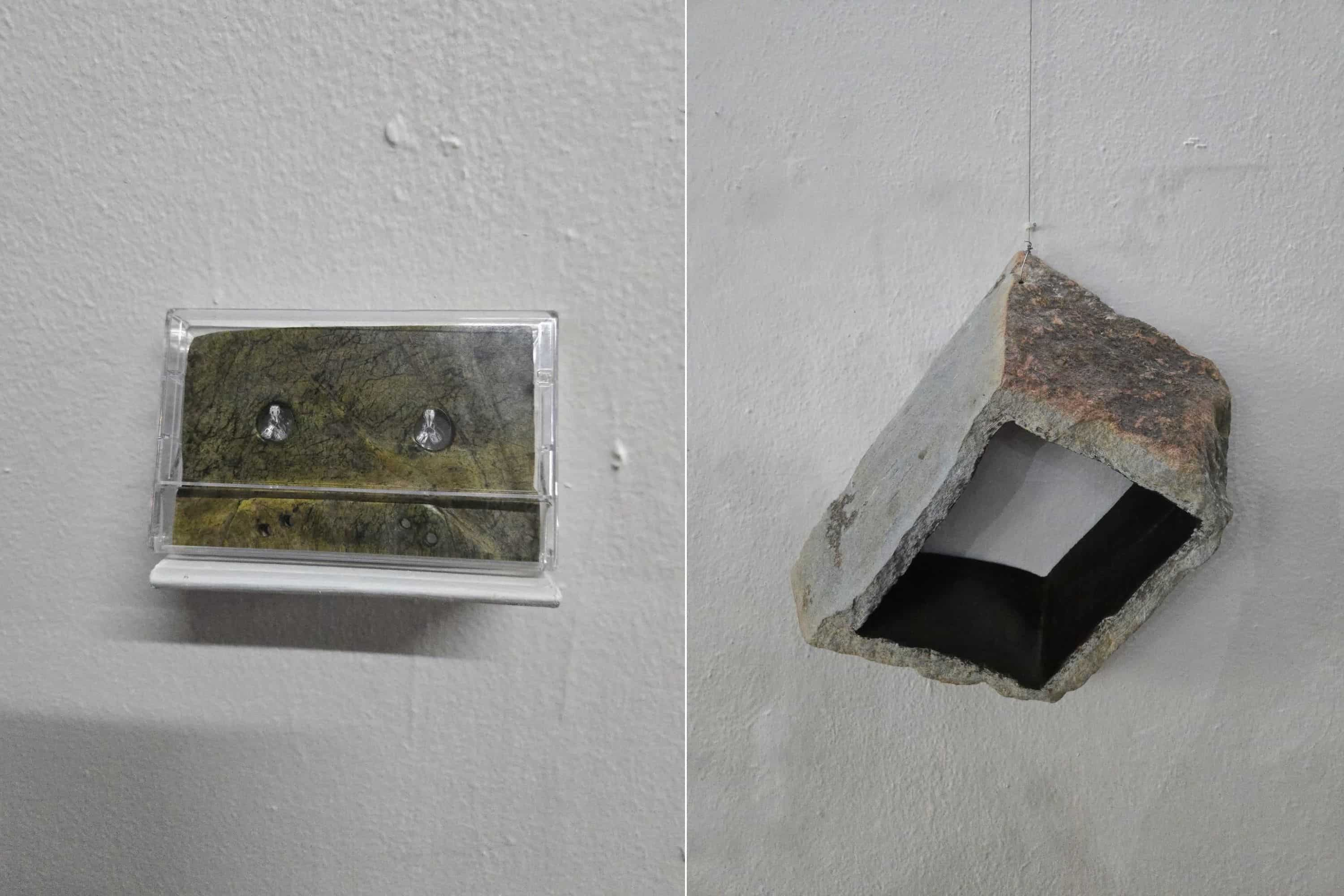
What do Zimbabwe and the Midwestern United States city of Detroit, Michigan, have in common? Among other things, Jit. If the word is unfamiliar to you, you’re likely from a younger generation that didn’t grow up with the Bhundu Boys, one of the groups that popularised the fast-paced, drum-forward music, also known as Jiti, in the 1970s and 1980s. But ask Detroiters, and they’ll tell you that Jit is a techno dance that emerged in their city around the same time.
It’s the sort of thing you learn while perusing the website of Sadza Space, a Detroit-based arts and culture centre, and while speaking with one of its co-founders, Chido Johnson, an artist and professor at the College for Creative Studies. And though the two Jits are namesakes, they don’t share a history, which, for Johnson, makes their similarity all the more uncanny.
“I’ve always dreamt about finding connection,” Johnson said, whose work as an artist has taken him across the globe, allowing him to build cross-cultural bridges.
Born in Nyadire in the Eastern Highlands, Johnson moved to the US at 17 for college but shortly after took a year-long break during which he studied under renowned artist Tapfuma Gutsa, who helped shape the modernist art period in Zimbabwe and led a shift away from dependency on soapstone sculptures. Johnson returned to the US thereafter and has called it home since. The cross-pollination that his identity as a Zimbabwean in America represents runs through Sadza Space.
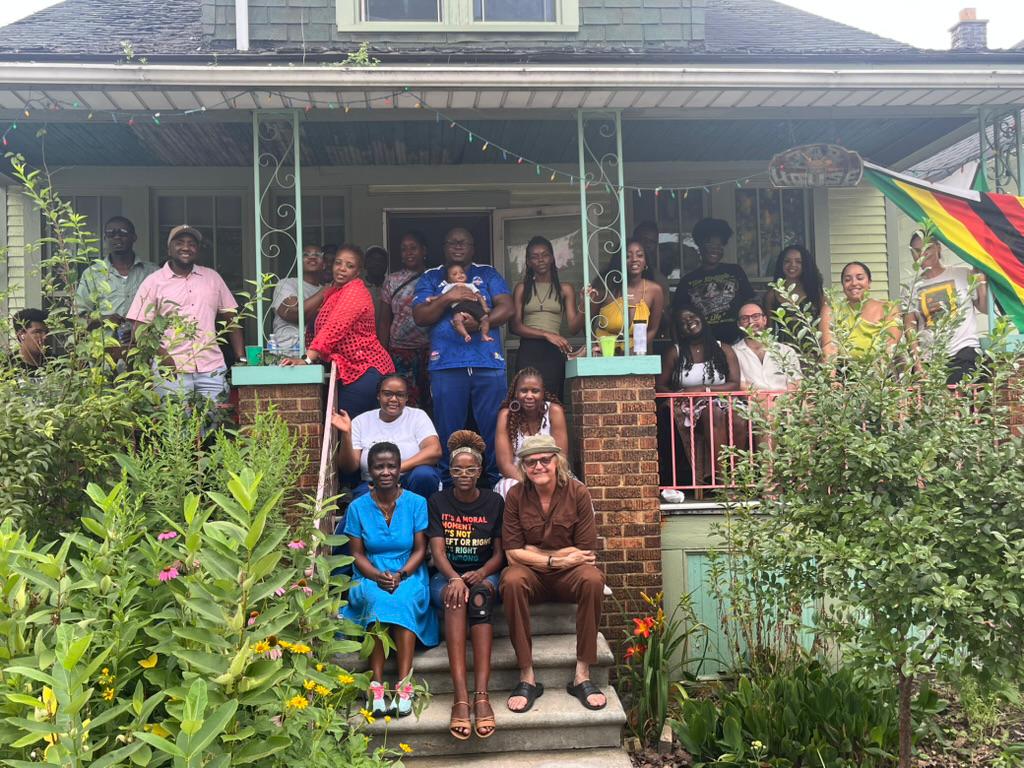
Founded as the Zimbabwe Cultural Centre in Detroit in 2013, Sadza Space is now the umbrella organisation of ZCCD and other such projects. It began when Johnson bought a house and a friend, the artist Nontsikelelo Mutiti, offhandedly joked that it was the Zimbabwean consulate in Detroit. Johnson ran with it, collaborating with the filmmaker Kumbulani Zamuchiya and Mutiti to bring such a project to life.
In the early days, the ZCCD secured grants for an educational exchange that took artists from Zimbabwe to Detroit and vice versa. This initiative is now DETZIM, an art-first version of this exchange. And in 2015, ZCCD sent Detroit Jit street dancer Haleem "Stringz" Rasul to Zimbabwe to teach the dance while locals taught Borrowdale, the dance that similarly entails fast footwork.
However, US visa restrictions (Zimbabwe is on the “travel ban” list the US issued earlier this year) have compelled Sadza Space to be more flexible and consider virtual programming. This year, only American artists travelled to Zimbabwe with DETZIM. Still, the exchange proved fruitful, with 10 US artists collaborating with 10 Zimbabwean artists for an exhibit at the National Gallery of Zimbabwe that kicked off with an opening on 2 July.
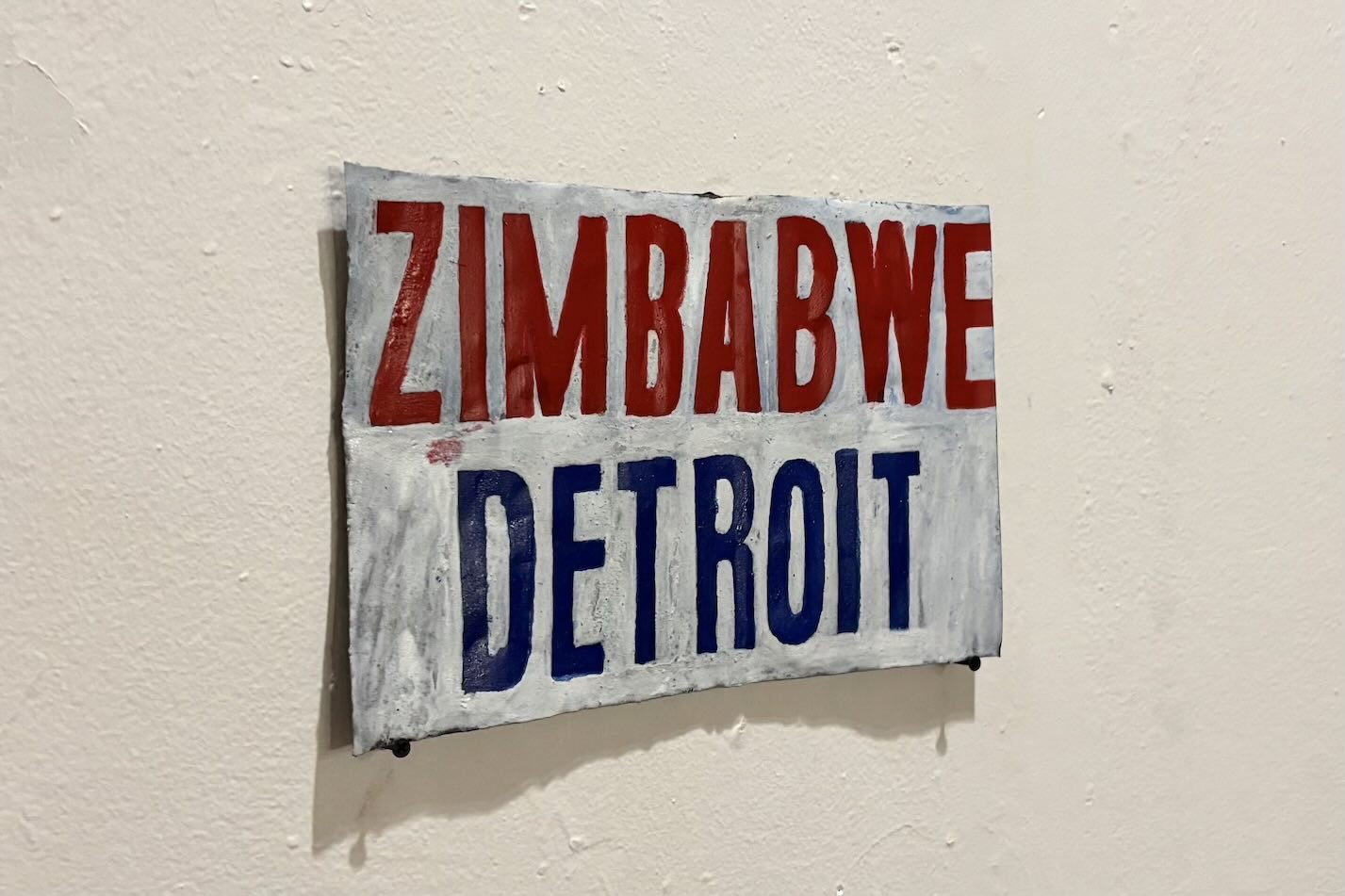
Sadza Space, which is run by a volunteer-based working board, now has its own property, where artists can stay when they travel to the US. And when Landlocked spoke with Johnson in June, the organisation had recently closed on a second property that will operate as the physical manifestation of Sadza Space. The organisation has also expanded its projects over the years, offering multipronged programming, including more cultural exchanges, artists' residencies and a short-lived (but hopefully soon-to-be-revived) radio station.
Rather than limit its programming to Zimbabwe or generalise it to Africa as is usually the case in the US, Sadza Space embodies its name, which is both expansive and specific, and is also imbued with meaning. For example, sadza is the staple food of Zimbabwe and is eaten in neighbouring countries, though known by different names, such as ugali in Tanzania and pap in South Africa.
“While we’re still rooted in Zimbabwe, we really do have a vision of a more diasporic approach,” said Kururama Masomere, who has served on Sadza Space’s board since 2023 when she joined to help with fundraising efforts. She envisions a space where the “cultural, artistic and musical” aspects of Zimbabwe and other African countries are represented in a way that highlights the similarities while celebrating the differences.
Masomere was born in Harare and moved with her family to Berrien Springs, Michigan, about a three-hour drive from Detroit, when she was young. Now she lives in Detroit, where she has encountered more diversity than existed in the small towns she previously lived in. Zimbabweans in the US are “a little bit hidden,” she said, adding that “we kind of have to know somebody that knows somebody to find other Zimbabweans.”
According to 2024 data from the US Census' American Community Survey, an estimated 243 people in Michigan reported Zimbabwean ancestry. Masomere recalls that her family chose to move to Michigan because of the community that already existed there. Sadza Space has also helped bring Zimbabweans in the Detroit area out of the woodwork.
“I always see other African representation, like a lot of Nigerians, Ghanaians,” Masomere said. “Being able to put Zimbabwe on the map a little bit more, and to also tie it to the African diaspora in general, and have representation that way, I think, is super important,” she added.
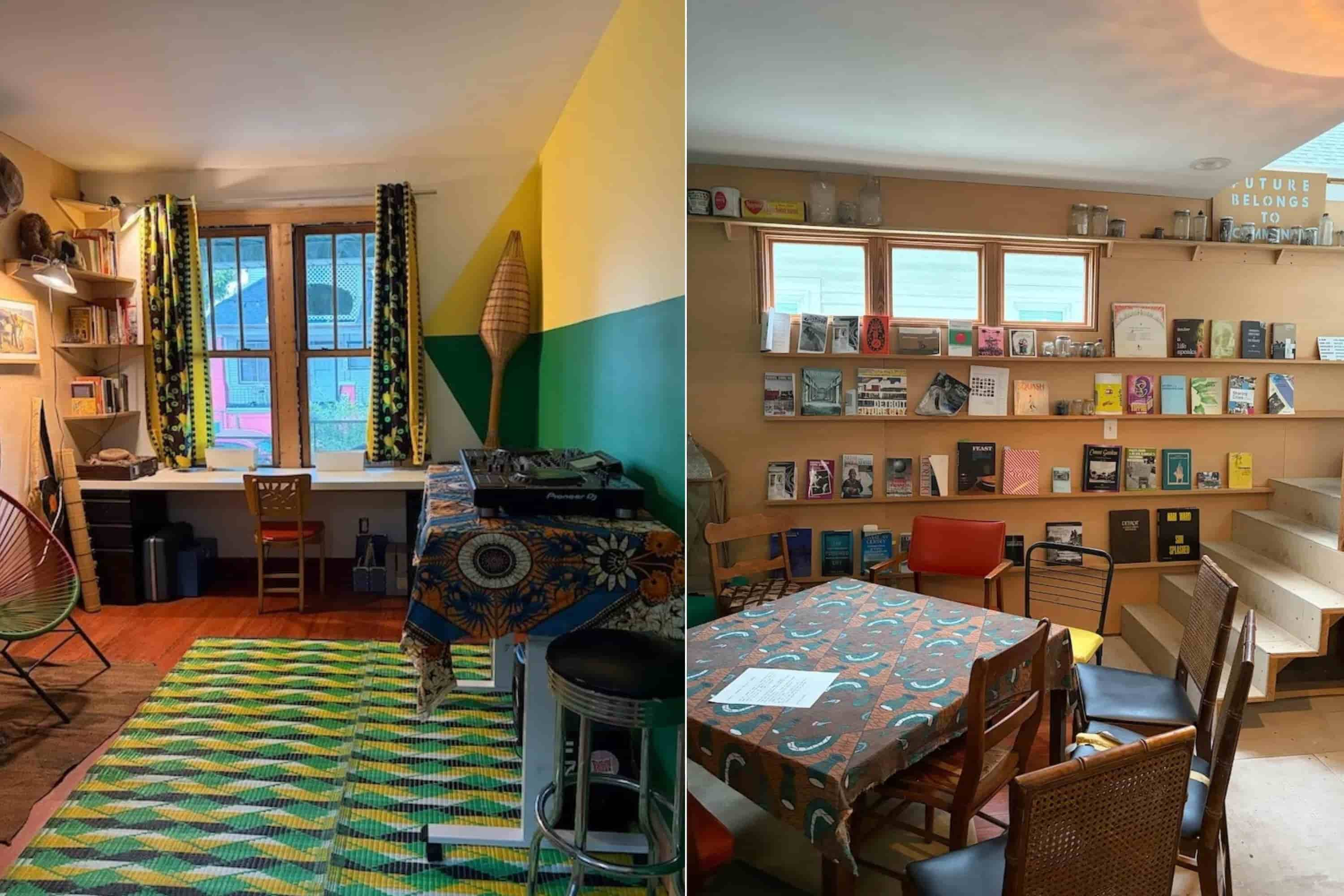
The name Sadza Space also represents a tangled history and a hybridised future. The latter is symbolised by “Space,” as in outer space. And the maize on the coat of arms of Zimbabwe, from which sadza is made, alludes to the presence of Portuguese traders between the 15th and 17th centuries in present-day Zimbabwe, since the maize plant is not indigenous to the country. In fact, it is native to Mexico, much closer to the US.
“When we look at the past…we celebrate who we are; at the same time we're acknowledging the complexities that come with that,” Johnson said. “It's not [only] about holding the past, but also creating a future,” he added, pointing to the blending of cultures and traditions that is at the core of Sadza Space.
While it seeks to serve an African diaspora, the organisation ultimately exists within the context of Detroit, a place with its own storied history and spatial politics. And much like Zimbabwe, Masomere said the city has stereotypes attached to it.
“I travel a lot. People have an idea already about what Detroit is and what Detroit isn’t,” she said. Sadza Space is “one of those micro-opportunities to continue to paint both places in a different light.”
It’s also where a dream of finding connection comes true.